Source Customized Taekwondo Medal for Sports, Training, and Competitions
Compare 30 listings for customized taekwondo medal options from verified suppliers. Buyers can evaluate alloy materials, printing methods, and low MOQs for sports awards and training gifts. Explore customizable shapes, die-struck enamel processes, and various plating finishes like gold, silver, and bronze to find the perfect souvenir or competition award for children and adults alike.
Key considerations
Products List


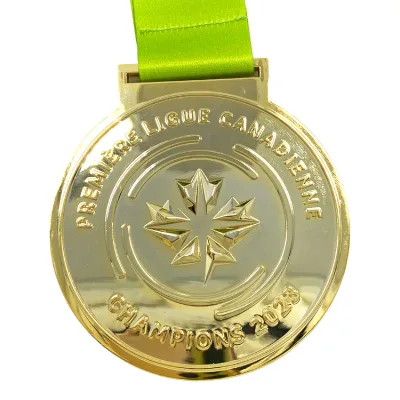


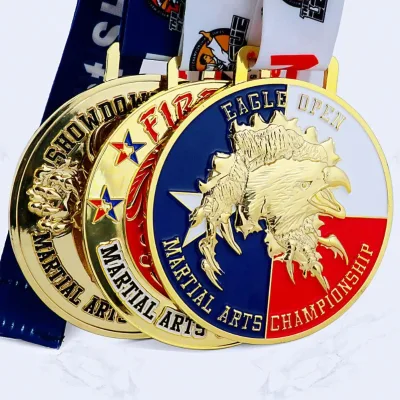
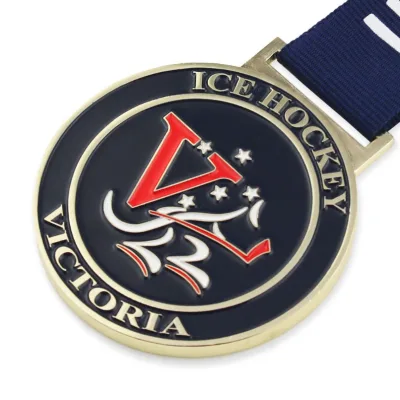


Comprehensive Sourcing Guide
Customized Taekwondo Medal Sourcing Guide
Sourcing customized taekwondo medals requires a strategic approach that balances aesthetic appeal with functional durability, ensuring the final product serves as a meaningful recognition of athletic achievement. Buyers must navigate a market where suppliers offer extensive customization options, ranging from specific metal alloys to intricate printing techniques, to create a unique award that reflects the prestige of the competition. The process involves selecting the right material, such as alloy, and determining the appropriate manufacturing method, whether it be die-struck enamel or casting, to achieve the desired visual impact and tactile quality.
This guide provides a structured framework for procurement professionals to evaluate suppliers and products effectively. By focusing on key technical specifications, compliance requirements, and commercial terms, buyers can mitigate risks associated with low-quality manufacturing and ensure that the medals meet the high standards expected in sports and games applications. The following sections detail the critical factors that influence the final product, from the choice of plating and shape to the verification of supplier qualifications and quality control processes.
Product Scope and Observed Listing Signals
The current market for customized taekwondo medals features a diverse range of products, primarily constructed from alloy materials that offer both durability and a premium feel. Listings indicate that these medals are designed for various applications, including sports competitions, training sessions, and as souvenirs, with a strong emphasis on custom shapes and themes related to martial arts. The observed product attributes highlight a significant focus on personalization, with suppliers offering customizable sizes, thicknesses ranging from 2-7mm, and various plating options such as gold, silver, and bronze to suit different award tiers.
Visual presentation is a critical factor, with suppliers employing multiple printing methods including thermal transfer, UV, digital, and offset printing to apply detailed logos and designs. The manufacturing processes vary, with some products utilizing die-struck enamel techniques for a textured, high-quality finish, while others may use casting methods for more complex shapes. Buyers should note that while some listings suggest low minimum order quantities, others specify an MOQ of 100 pieces, indicating a variability in supplier capabilities and target markets, which necessitates careful evaluation of each potential partner's capacity and flexibility.
Technical Specifications to Verify
When evaluating technical specifications, buyers must prioritize the physical dimensions and material composition of the medals to ensure they meet the intended use case. The thickness of the medal is a crucial factor, with observed ranges extending from 2mm to 7mm, allowing for a substantial and prestigious feel. Additionally, the size is often customizable, with some standard diameters noted around 6cm, but buyers should confirm that the supplier can accommodate specific size requirements to maintain consistency across a set of awards for different placement levels.
The surface finish and printing quality are equally important, requiring verification of the plating type and the durability of the applied graphics. Suppliers offer various plating options, including gold, silver, and bronze, which should be checked for corrosion resistance and color consistency. Furthermore, the printing method, whether it be 1-color to 6-color printing or digital techniques, must be assessed for its ability to reproduce intricate designs without smudging or fading. Buyers should request samples to verify the adhesion of the printing and the overall structural integrity of the medal, ensuring it can withstand handling and long-term storage.
Compliance and Safety Documentation
Compliance and safety are paramount, especially when medals are intended for younger athletes or children, as indicated by some product attributes targeting the children age group. Buyers must ensure that the materials used, particularly the alloy and any plating, are free from harmful substances such as lead, cadmium, or nickel, which could pose health risks upon skin contact. Although specific certification statuses are not universally listed, buyers should proactively request material safety data sheets and compliance certificates to verify that the products meet international safety standards for consumer goods and sports equipment.
Documentation should also cover the environmental impact of the manufacturing process, given the eco-friendly features highlighted in some product listings. Buyers should inquire about the sustainability of the materials and the production methods, ensuring that the supplier adheres to responsible manufacturing practices. Additionally, it is essential to verify that the packaging materials, such as poly bags or bubble bags, are also compliant with relevant environmental regulations, particularly if the medals are being exported to regions with strict packaging waste laws. This due diligence helps mitigate legal risks and aligns the procurement with corporate social responsibility goals.
Cost Drivers and Commercial Terms
The cost of customized taekwondo medals is influenced by several key factors, including the complexity of the design, the choice of materials, and the quantity ordered. The observed price range of 0.25 to 2.06 USD per unit suggests that simpler designs with standard sizes and lower quantities may be more affordable, while intricate custom shapes, multi-color printing, and higher thickness levels will drive up the cost. Buyers should carefully analyze the breakdown of costs to understand how each customization option impacts the final price, allowing for better budget planning and cost control.
Commercial terms, particularly the minimum order quantity (MOQ), play a significant role in the overall procurement strategy. While some suppliers offer low MOQs to accommodate smaller orders, others require a minimum of 100 pieces, which can affect inventory management and cash flow. Buyers should negotiate flexible terms where possible, such as tiered pricing based on volume, to optimize costs. Additionally, it is important to clarify the payment terms, shipping methods, and lead times to ensure that the delivery schedule aligns with the event dates, avoiding any last-minute rushes or penalties for late delivery.
Supplier Qualification and Quality Control
Supplier qualification is a critical step in the sourcing process, requiring a thorough assessment of the manufacturer's capabilities and reputation. Buyers should verify the supplier's location, with many originating from regions like Guangzhou and Zhejiang in China, known for their manufacturing expertise in metal products. It is essential to check the supplier's experience in producing sports awards, their ability to handle OEM and ODM requests, and their track record of delivering high-quality products on time. Requesting references or case studies can provide valuable insights into the supplier's reliability and professionalism.
Quality control measures must be clearly defined and enforced throughout the production process. Buyers should establish a detailed quality assurance plan that includes pre-production samples, in-process inspections, and final random inspections before shipment. Key quality indicators include the accuracy of the dimensions, the consistency of the plating, the clarity of the printing, and the overall finish of the medal. Suppliers should be required to provide a quality control report detailing the inspection results, ensuring that any defects are identified and rectified before the products are dispatched. This proactive approach minimizes the risk of receiving substandard goods and ensures customer satisfaction.
Long-Term Procurement Checks
Long-term procurement success depends on establishing a sustainable relationship with suppliers who can consistently deliver high-quality customized taekwondo medals. Buyers should conduct regular performance reviews to assess the supplier's adherence to quality standards, delivery timelines, and responsiveness to issues. This ongoing evaluation helps identify any trends in quality or service that may require corrective action, ensuring that the partnership remains beneficial and productive. Building a strong relationship with a reliable supplier can lead to better pricing, priority service, and improved collaboration on future projects.
Additionally, buyers should stay informed about industry trends and technological advancements in medal manufacturing to ensure that their products remain competitive and relevant. This includes monitoring changes in design preferences, material innovations, and printing techniques that can enhance the appeal and durability of the medals. By maintaining a proactive approach to supplier management and staying abreast of market developments, buyers can optimize their procurement strategy and deliver exceptional awards that honor the achievements of athletes in taekwondo and other sports.
FAQs
Can I get customized taekwondo medals with specific sizes?
Yes, you can request customized taekwondo medals with specific sizes as the product offers customizable dimensions. The standard diameter is 6cm, but you may also choose customer sizes to fit your specific event requirements or branding needs.
What materials are used for these sports custom metal medals?
These sports custom metal medals are primarily made from alloy materials to ensure durability. They often feature plating options like gold, silver, or bronze, and can be produced using techniques such as die struck enamel or casting for a premium finish.
Which printing methods are available for customizing the medal design?
Several printing methods are available including thermal transfer printing, UV printing, digital printing, and offset printing. You can choose from one to six colors depending on your design complexity and the specific customization requirements for your sports award event.
How low is the minimum order quantity for these medals?
The minimum order quantity varies, with some listings offering low MOQ options starting from just one piece. However, other specific product models require a minimum order of 100 pieces or 100 pcs, so you should verify the exact requirement for your selected model.
Can I order medals with a customized logo for my event?
Yes, you can order medals with a customized logo as OEM and ODM customization is accepted. The product supports customized logos and shapes, allowing you to create unique souvenirs or awards tailored specifically for your karate or taekwondo competition needs.
What is the typical thickness range for these metal medals?
The typical thickness range for these metal medals is between 2mm and 7mm, which can be customized. This thickness ensures the medals are durable enough for training and competition while maintaining a substantial feel suitable for sports awards and souvenirs.
Where are these customized taekwondo medals manufactured?
These customized taekwondo medals are manufactured in China, with specific origins noted in Guangzhou and Zhejiang. The products are designed to meet standard specifications or customized requirements, making them suitable for various international markets including Europe.